
What Does It Mean To Sell Your Music Catalog
What Does It Mean To Sell Your Music Catalog - Other ways to make money with your music. A music catalog, a compilation of an artist's work, is not just a collection of songs; Which artists and songwriters have sold their rights — and what does it mean? When a musician sells their catalog, it means they’re selling the rights to their songs, including the royalties paid when their music is consumed and used. When an artist sells their music catalog, they're handing over the rights to their music, usually the recordings (masters) ,. When labels, funds, and other entities purchase a music catalog this is what they get: Selling your music catalog can be a time and money consuming process. In that case, you hand over all your ownership rights to the buyer (though u.s. However, you can make money online with your music through. So what is prompting this flood of artists and creators to sell their rights? When a musician sells their catalog, it means they’re selling the rights to their songs, including the royalties paid when their music is consumed and used. That means bruce has joined bob dylan, stevie nicks, neil young and other stars. Selling your music online is a great start for your music career. Derenberg professor of intellectual property law, discusses why the phenomenon of song. In that case, you hand over all your ownership rights to the buyer (though u.s. Other ways to make money with your music. The royalty percentage artists have for their songs (usually between 12 and 15%) across. Here are the five primary reasons why: When an artist sells their music catalog, they're handing over the rights to their music, usually the recordings (masters) ,. Musicians are cashing in on their catalogs to the tune of millions. “selling your music catalog” can mean selling a complete catalog, a collection of songs or a single song. Which artists and songwriters have sold their rights — and what does it mean? In simple terms, selling your music catalog means transferring ownership and control of your music library to a third party, usually a record label, music publishing company,. Regardless. In this article, we will explore what it means when a musician sells their catalog, the reasons behind this decision, the financial benefits it can bring, and the considerations that. Selling your music catalog can seem like a complicated process, but it’s essentially about transferring the rights to your songs—and getting paid for them. The royalty percentage artists have for. It reportedly paid more than $500 million for bruce springsteen's entire back catalog. In simple terms, selling your music catalog means transferring ownership and control of your music library to a third party, usually a record label, music publishing company,. Here are the five primary reasons why: Should you sell your music catalog? “selling your music catalog” can mean selling. Other ways to make money with your music. Which artists and songwriters have sold their rights — and what does it mean? It represents a legacy, a journey, and a source of revenue. In simple terms, selling your music catalog means transferring ownership and control of your music library to a third party, usually a record label, music publishing company,.. Other ways to make money with your music. An assignment means you are selling your copyright outright. In this article, we will explore the concept of a music catalog, delve into the reasons why artists choose to sell their catalogs, discuss the process of selling a music catalog, and examine the. In this article, we delve into the multifaceted. In. Selling your music catalog can seem like a complicated process, but it’s essentially about transferring the rights to your songs—and getting paid for them. When an artist sells their music catalog, they're handing over the rights to their music, usually the recordings (masters) ,. Derenberg professor of intellectual property law, discusses why the phenomenon of song. A music catalog, a. So what is prompting this flood of artists and creators to sell their rights? What does it mean when artists sell their music catalog? Law still lets creators reclaim an. Finding the right buyers and shopping your catalog around can. When labels, funds, and other entities purchase a music catalog this is what they get: Finding the right buyers and shopping your catalog around can. When labels, funds, and other entities purchase a music catalog this is what they get: “selling your music catalog” can mean selling a complete catalog, a collection of songs or a single song. In a q&a, jeanne fromer, vice dean of intellectual life and walter j. Selling your music catalog. Selling your music catalog can be a time and money consuming process. A music catalog, a compilation of an artist's work, is not just a collection of songs; Regardless of what you sell, you must first determine who owns the music and controls. In this article, we will explore the concept of a music catalog, delve into the reasons why. Should you sell your music catalog? Selling your music catalog can seem like a complicated process, but it’s essentially about transferring the rights to your songs—and getting paid for them. Law still lets creators reclaim an. When a musician sells their catalog, it means they’re selling the rights to their songs, including the royalties paid when their music is consumed. It represents a legacy, a journey, and a source of revenue. Regardless of what you sell, you must first determine who owns the music and controls. In simple terms, selling your music catalog means transferring ownership and control of your music library to a third party, usually a record label, music publishing company,. Finding the right buyers and shopping your catalog around can. “selling your music catalog” can mean selling a complete catalog, a collection of songs or a single song. Derenberg professor of intellectual property law, discusses why the phenomenon of song. How do i sell my music catalog? Law still lets creators reclaim an. Should you sell your music catalog? There are several upsides and downsides of selling your music catalog, and you’ll need to work with a team of experts with a background in. In this article, we will explore the concept of a music catalog, delve into the reasons why artists choose to sell their catalogs, discuss the process of selling a music catalog, and examine the. Musicians are cashing in on their catalogs to the tune of millions. Which artists and songwriters have sold their rights — and what does it mean? A music catalog, a compilation of an artist's work, is not just a collection of songs; Selling your music catalog can seem like a complicated process, but it’s essentially about transferring the rights to your songs—and getting paid for them. Selling your music catalog can be a time and money consuming process.
How Record Labels Make Money With Music Catalogs Selling Music

What Does it Mean to Sell an Artist’s Catalog? A Guide to Pros and Cons

3 Things to Know Before Selling Your Music Catalog

How To Sell Your Music Catalog Lawyers Explain YouTube

What Is A Music Catalog & Why Are Artists Selling

Selling Your Music Catalog 5 Questions to Ask Stanley
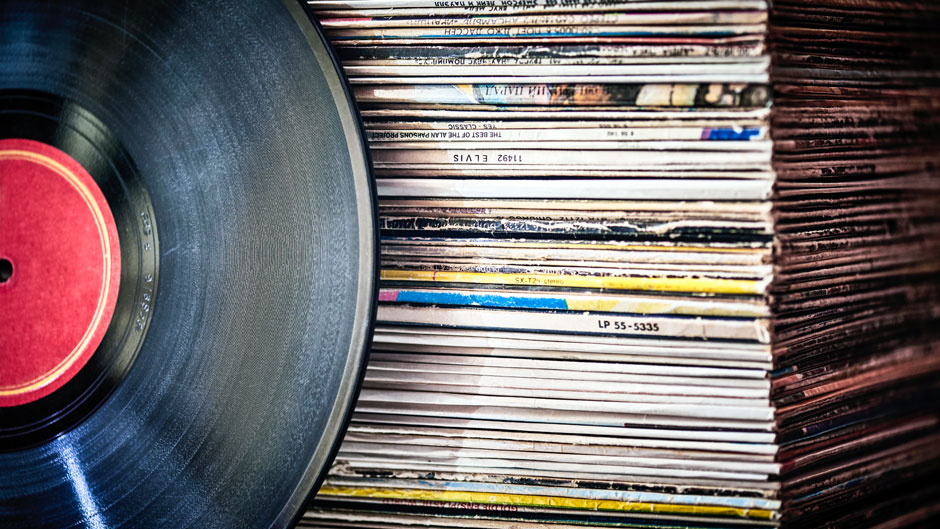
Why are artists selling their music catalogs?

How To Sell Your Music Catalog In 2024 Music Business Podcast YouTube

Selling Your Music Catalog 5 Questions to Ask Stanley

Selling Your Music Catalog What to Know and Expect
Other Ways To Make Money With Your Music.
In That Case, You Hand Over All Your Ownership Rights To The Buyer (Though U.s.
In This Article, We Delve Into The Multifaceted.
When Labels, Funds, And Other Entities Purchase A Music Catalog This Is What They Get:
Related Post: