
Moving A Lightroom Catalog To Another Drive
Moving A Lightroom Catalog To Another Drive - Moving your lightroom catalog to an external hard drive is a practical solution for freeing up space on your computer, improving performance, and ensuring the safety of your photo collection. After you finish migrating your photos, you will need to locate your lightroom catalog and move it to your new computer. Move one photo manually, outside lightroom classic. Open the catalog to ensure it’s working correctly. Helen bradley explains how to successfully move lightroom files and a catalog to a new disk. One issue that stumps many people is how to successfully move a lightroom catalog from one computer to another or from a local hard drive to a removable one. Click on the missing photo exclamation mark, that will allow you to 'reconnect' this photo. When i click on the folders + button i lose access to the ones on the main hard drive. Moving your lightroom catalog may seem daunting, but the actual process is quite manageable. In this article, i'll share two techniques for moving and relinking images. Click on the missing photo exclamation mark, that will allow you to 'reconnect' this photo. Be sure to do it using the lightroom library module, don't do it with just your system browser (finder or file explorer). The easiest way to move lightroom to a new computer is to simply click and drag the entire lightroom folder from your computer to an external hard drive and then to a new computer. After you have done that, the new folder will show in lightroom classic because it now contains one photo that is in the catalog. Preparing your folders to transfer a lightroom catalog to a new computer. Click the show button on the general tab of the catalog settings to open the folder containing your catalog in your file browser. Go to lightroom > catalog settings > general (under edit menu on windows). Move one photo manually, outside lightroom classic. The most crucial step in this process is ensuring your files are conveniently stored on your computer. Here we'll use lightroom classic to move all catalog images to a new hard drive. Open the catalog to ensure it’s working correctly. One issue that stumps many people is how to successfully move a lightroom catalog from one computer to another or from a local hard drive to a removable one. Whether you’re moving to a new system or sharing with a colleague, follow these steps to ensure a smooth transition. Helen bradley explains. Helen bradley explains how to successfully move lightroom files and a catalog to a new disk. The lightroom classic catalog (and its associated cache files). Under the general tab, click on show. Lightroom will show this photo as missing. Then at the end, i'll share an additional, optional tip to ensure everything is working properly again. By following these simple steps, you can effortlessly relocate your lightroom catalog, maintaining organization and accessibility for your cherished photo collection. Click on the missing photo exclamation mark, that will allow you to 'reconnect' this photo. After you have done that, the new folder will show in lightroom classic because it now contains one photo that is in the catalog.. Go to lightroom > catalog settings > general (under edit menu on windows). Select your catalog files and move them to a new location. The easiest way to move lightroom to a new computer is to simply click and drag the entire lightroom folder from your computer to an external hard drive and then to a new computer. You can. Moving your lightroom catalog may seem daunting, but the actual process is quite manageable. Within the context of transferring lightroom classic to a new computer, there are essentially three components that you want to transfer from your old computer to the new machine: The lightroom classic catalog (and its associated cache files). Whether you want to move your lightroom library. By following these simple steps, you can effortlessly relocate your lightroom catalog, maintaining organization and accessibility for your cherished photo collection. Go to edit/lightroom classic > catalog settings. Select your catalog files and move them to a new location. The easiest way to move lightroom to a new computer is to simply click and drag the entire lightroom folder from. The lightroom classic catalog (and its associated cache files). Click on the missing photo exclamation mark, that will allow you to 'reconnect' this photo. Click the show button on the general tab of the catalog settings to open the folder containing your catalog in your file browser. Learn how to move your adobe lightroom catalog from an external hard drive. Click on the missing photo exclamation mark, that will allow you to 'reconnect' this photo. Under the general tab, click on show. Within the context of transferring lightroom classic to a new computer, there are essentially three components that you want to transfer from your old computer to the new machine: Repeat steps 1 & 2 to ensure the catalog. Then at the end, i'll share an additional, optional tip to ensure everything is working properly again. Click the show button on the general tab of the catalog settings to open the folder containing your catalog in your file browser. The most crucial step in this process is ensuring your files are conveniently stored on your computer. This step is. The easiest way to move lightroom to a new computer is to simply click and drag the entire lightroom folder from your computer to an external hard drive and then to a new computer. Move one photo manually, outside lightroom classic. Then at the end, i'll share an additional, optional tip to ensure everything is working properly again. Go to. The lightroom classic catalog (and its associated cache files). By carefully copying the catalog files to a new location and relinking any missing folders, you can successfully migrate your entire photo library to a new drive or computer. Move one photo manually, outside lightroom classic. Helen bradley explains how to successfully move lightroom files and a catalog to a new disk. Preparing your folders to transfer a lightroom catalog to a new computer. Click the show button on the general tab of the catalog settings to open the folder containing your catalog in your file browser. In this article, i'll share two techniques for moving and relinking images. Go to lightroom > catalog settings > general (under edit menu on windows). This step is about making sure all your photos are actually in one spot. Just drag the folders to the new hard drive. Here we'll use lightroom classic to move all catalog images to a new hard drive. After you finish migrating your photos, you will need to locate your lightroom catalog and move it to your new computer. By following these simple steps, you can effortlessly relocate your lightroom catalog, maintaining organization and accessibility for your cherished photo collection. After you have done that, the new folder will show in lightroom classic because it now contains one photo that is in the catalog. Lightroom classic does not store your original files. Repeat steps 1 & 2 to ensure the catalog moved to the new location.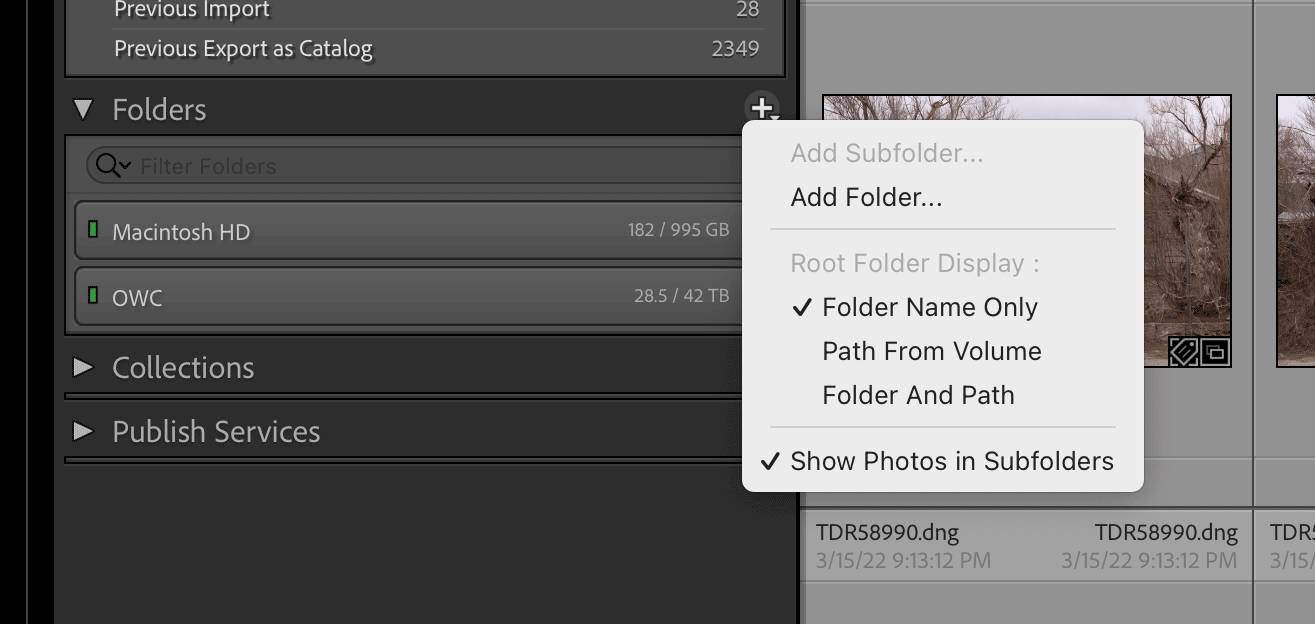
How to move a Lightroom Classic catalog to a different drive
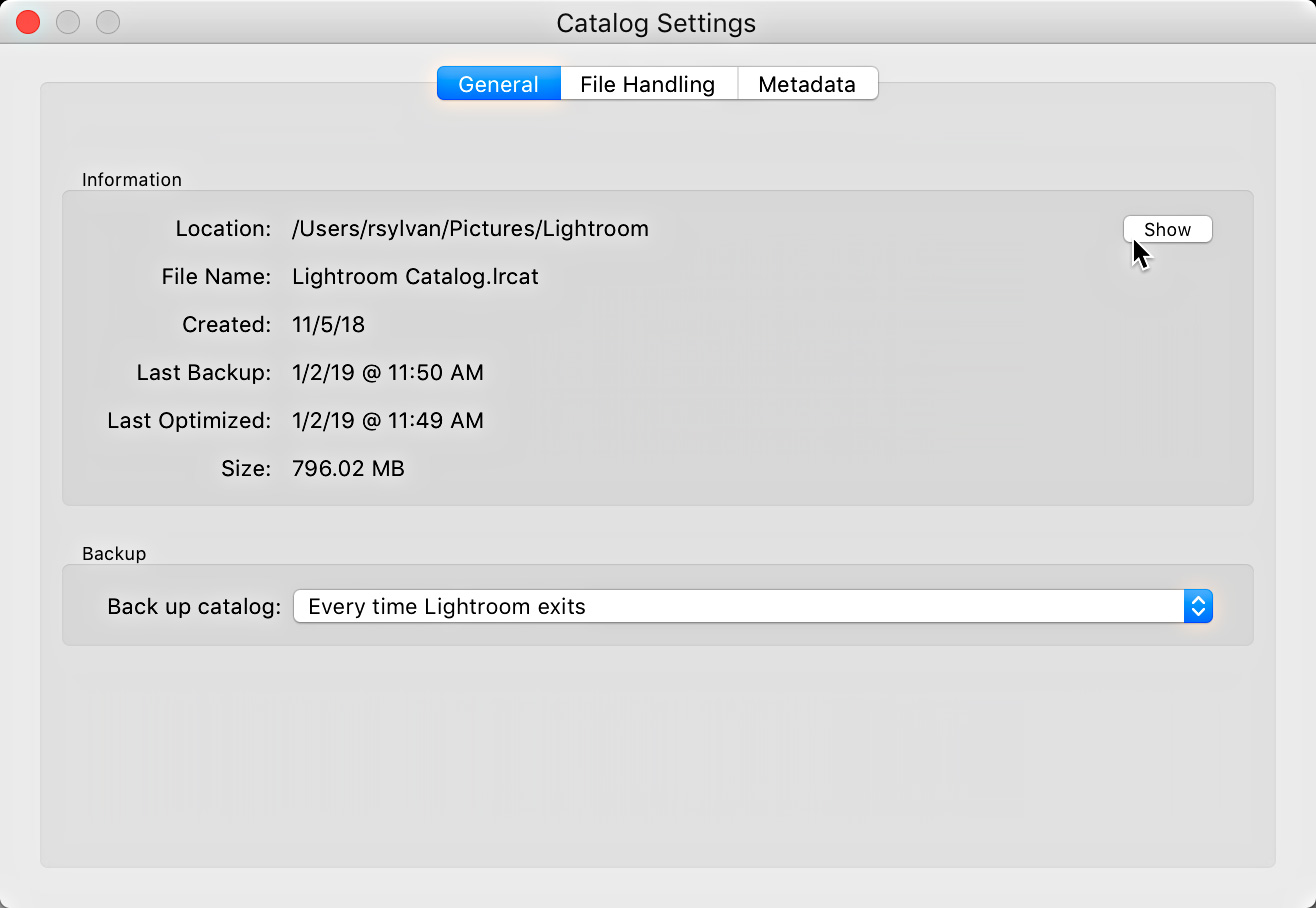
Moving Your Classic Catalog to a Different Drive Lightroom Killer Tips

How to Move Your Lightroom Library to an External Drive Lightroom

How to Move Lightroom Catalog to External Hard Drive

How To Move Your Lightroom Catalog To An External Hard Drive (or vice
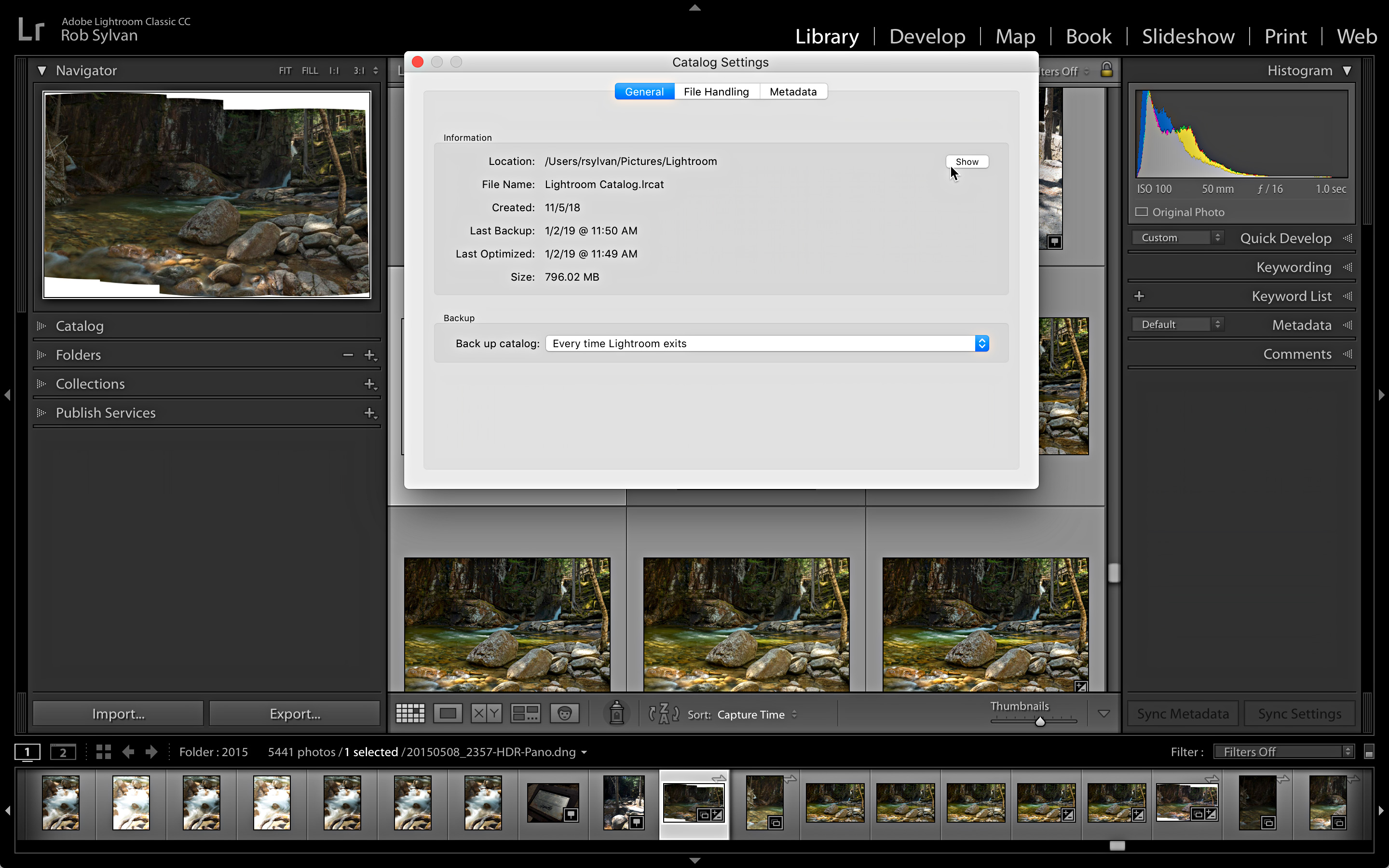
Moving Your Classic Catalog to a Different Drive Lightroom Killer Tips

How to Move Lightroom Catalog to External Hard Drive
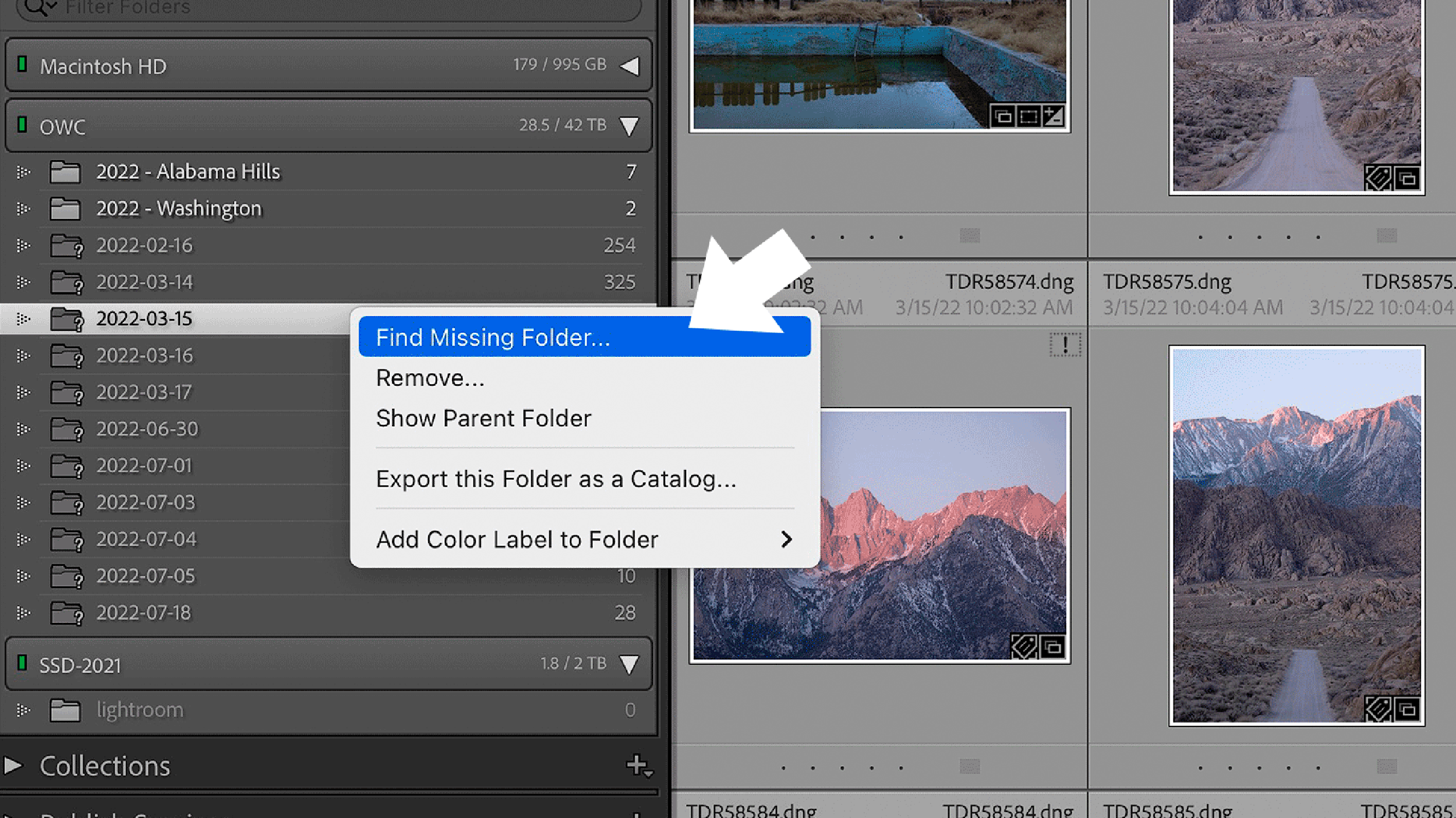
How to move a Lightroom Classic catalog to a different drive
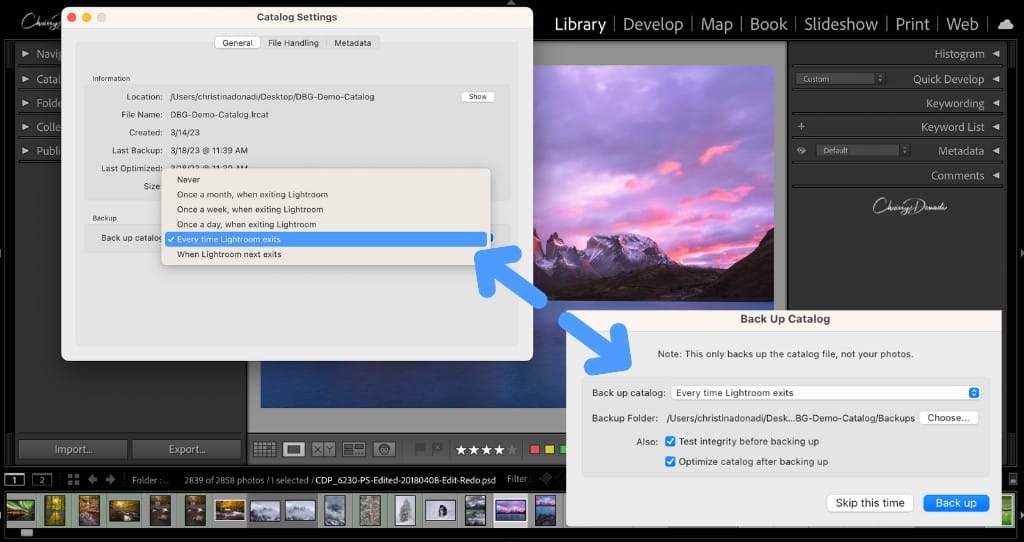
How to Move Your Lightroom Catalog From an External Drive Back to Your
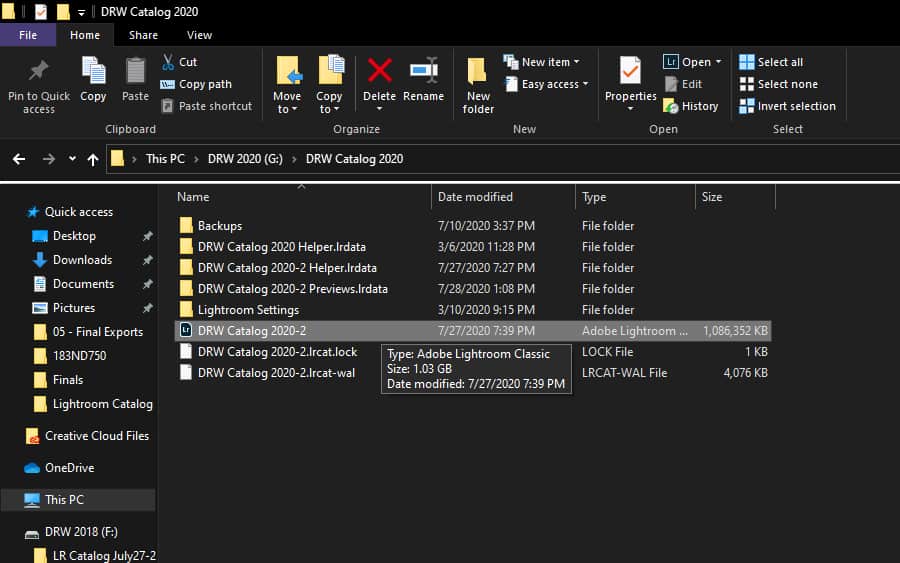
How To Move Lightroom Catalog To Another Drive at Ganrayneblog Blog
Moving Your Lightroom Classic Catalog From A Slow, Spinning Drive To An Ssd Will Improve Performance And It Is Pretty Simple To Do.
Open The Catalog To Ensure It’s Working Correctly.
The Most Crucial Step In This Process Is Ensuring Your Files Are Conveniently Stored On Your Computer.
Select Your Catalog Files And Move Them To A New Location.
Related Post: