
Glue Catalog
Glue Catalog - It does not store the actual data, it only keeps track of where the data is, what it looks like, and how it is. You can create a single view object with a different sql version for each engine you want to query, such as amazon athena, amazon redshift, and spark sql on amazon emr. Streamline discovery, management, and analysis with amazon datazone and aws glue data catalog. The aws glue data catalog is your persistent technical metadata store. It provides a unified interface to store and query information about data formats, schemas, and sources. The aws glue data catalog is a centralized repository that stores metadata about your organization's data sets. Speak the language of business by adding context and meaning to your data assets. For more information, see aws glue data catalog. The aws glue data catalog is a centralized metadata repository for all your data assets across various data sources. With aws glue, you can discover and connect to more than 70 diverse data sources and manage your data in a centralized data catalog. For more information, see aws glue data catalog. It acts as an index to the location, schema, and runtime metrics of your data sources. You can visually create, run, and monitor extract, transform, and load (etl) pipelines to load data into your data lakes. This article explores how aws glue manages and stores metadata in the data catalog, providing seamless access to data residing in amazon s3. The aws glue data catalog is a centralized repository that stores metadata about your organization's data sets. Speak the language of business by adding context and meaning to your data assets. Streamline discovery, management, and analysis with amazon datazone and aws glue data catalog. It highlights the role of glue crawlers, querying. Key benefits of using aws glue catalog include: Unified discovery and analysis using amazon athena, amazon redshift, and more. Aws glue has released a new feature, sql views, which allows you to manage a single view object in the data catalog that can be queried from sql engines. It is a managed service that you can use to store, annotate, and share metadata in the aws cloud. It acts as an index to the location, schema, and runtime metrics. It does not store the actual data, it only keeps track of where the data is, what it looks like, and how it is. The data catalog contains table definitions, job definitions, schemas, and other control information to help you manage your aws glue environment. Key benefits of using aws glue catalog include: With aws glue, you can discover and. You can create a single view object with a different sql version for each engine you want to query, such as amazon athena, amazon redshift, and spark sql on amazon emr. The aws glue data catalog is your persistent technical metadata store. It is a managed service that you can use to store, annotate, and share metadata in the aws. It highlights the role of glue crawlers, querying. To build a foundation for discovery. It acts as an index to the location, schema, and runtime metrics of your data sources. The aws glue data catalog is your persistent technical metadata store. This article explores how aws glue manages and stores metadata in the data catalog, providing seamless access to data. The aws glue data catalog is your persistent metadata store for all your data assets, regardless of where they are located. The aws glue data catalog is a centralized repository that stores metadata about your organization's data sets. The data catalog contains table definitions, job definitions, schemas, and other control information to help you manage your aws glue environment. Key. To build a foundation for discovery. The data catalog is part of aws glue, a serverless data integration service that helps you discover, prepare, move, and integrate data. Speak the language of business by adding context and meaning to your data assets. The aws glue data catalog is your persistent metadata store for all your data assets, regardless of where. Streamline discovery, management, and analysis with amazon datazone and aws glue data catalog. The aws glue data catalog is your persistent metadata store for all your data assets, regardless of where they are located. It does not store the actual data, it only keeps track of where the data is, what it looks like, and how it is. Unified discovery. Key benefits of using aws glue catalog include: It is a managed service that you can use to store, annotate, and share metadata in the aws cloud. It highlights the role of glue crawlers, querying. Streamline discovery, management, and analysis with amazon datazone and aws glue data catalog. The aws glue data catalog is a centralized repository that stores metadata. Speak the language of business by adding context and meaning to your data assets. The data catalog is part of aws glue, a serverless data integration service that helps you discover, prepare, move, and integrate data. For more information, see aws glue data catalog. Streamline discovery, management, and analysis with amazon datazone and aws glue data catalog. This article explores. You can visually create, run, and monitor extract, transform, and load (etl) pipelines to load data into your data lakes. Aws glue has released a new feature, sql views, which allows you to manage a single view object in the data catalog that can be queried from sql engines. The aws glue data catalog is your persistent metadata store for. The aws glue data catalog is your persistent technical metadata store. Aws glue has released a new feature, sql views, which allows you to manage a single view object in the data catalog that can be queried from sql engines. Streamline discovery, management, and analysis with amazon datazone and aws glue data catalog. It does not store the actual data, it only keeps track of where the data is, what it looks like, and how it is. Unified discovery and analysis using amazon athena, amazon redshift, and more. With aws glue, you can discover and connect to more than 70 diverse data sources and manage your data in a centralized data catalog. The data catalog contains table definitions, job definitions, schemas, and other control information to help you manage your aws glue environment. The aws glue data catalog is a centralized repository that stores metadata about your organization's data sets. It acts as an index to the location, schema, and runtime metrics of your data sources. The aws glue data catalog is a centralized metadata repository for all your data assets across various data sources. For more information, see aws glue data catalog. It highlights the role of glue crawlers, querying. The data catalog is part of aws glue, a serverless data integration service that helps you discover, prepare, move, and integrate data. To build a foundation for discovery. Key benefits of using aws glue catalog include: Think of aws glue catalog as a table of contents for your data stored in s3.
AWS Glue 101 Lesson 1 The Glue Data Catalog And Crawlers YouTube

Populating the AWS Glue Data Catalog AWS Glue

Access Amazon S3 data managed by AWS Glue Data Catalog from Amazon
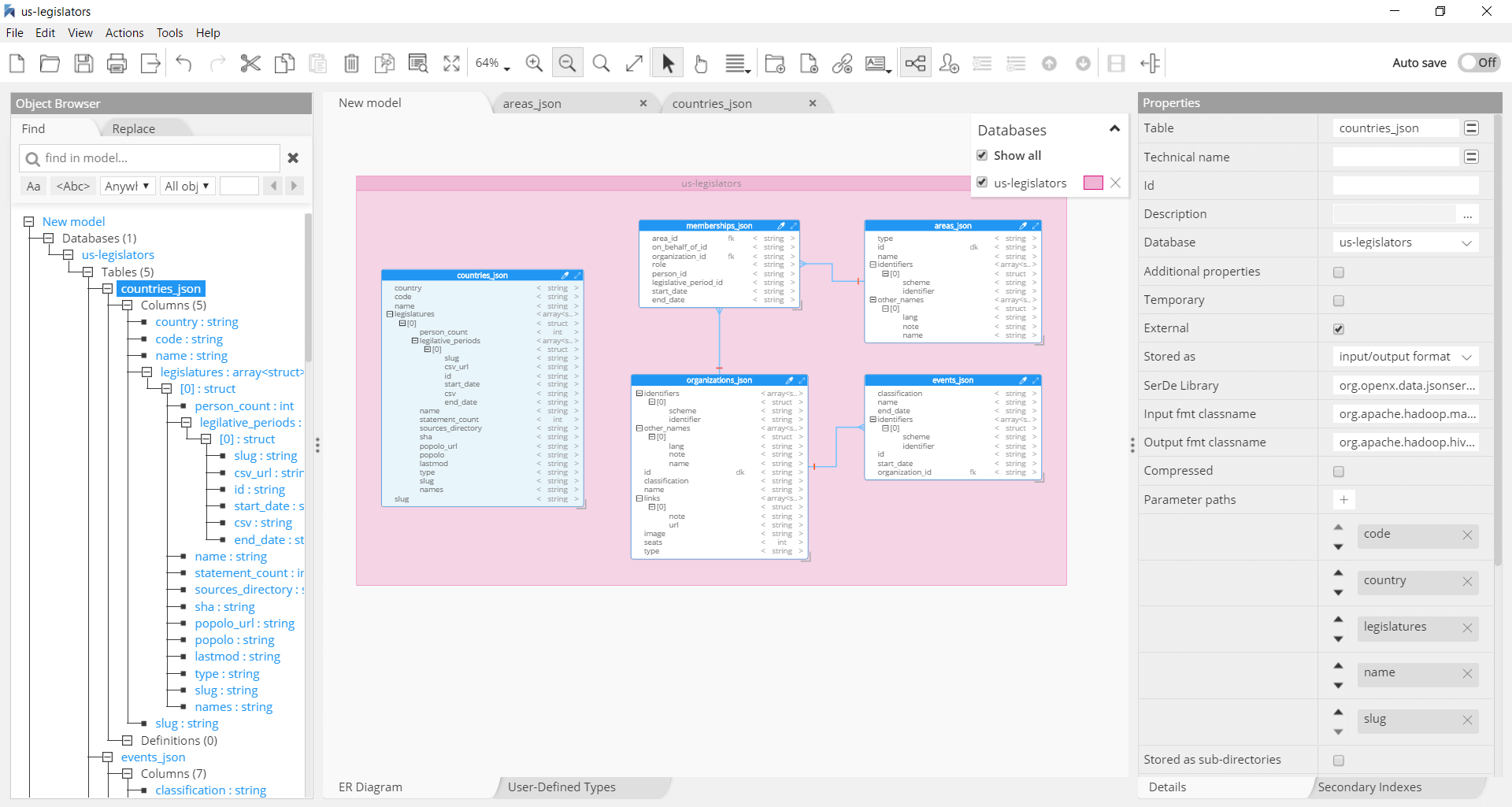
Glue Data Catalog

Simplify data discovery for business users by adding data descriptions

AWS Glue Data Catalog as the centralized metastore for Athena & PySpark
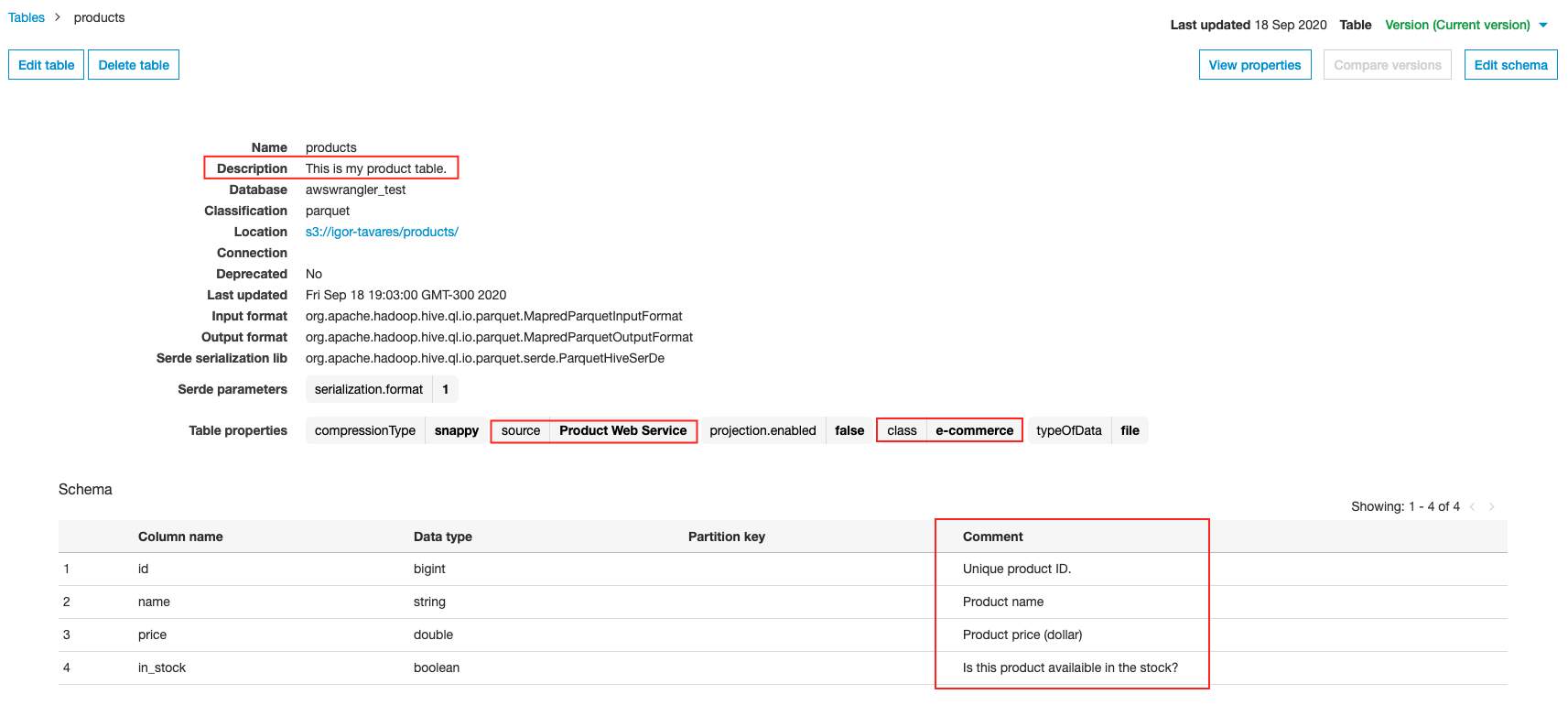
5 Glue Catalog — AWS SDK for pandas 3.11.0 documentation

Build operational metrics for your enterprise AWS Glue Data Catalog at
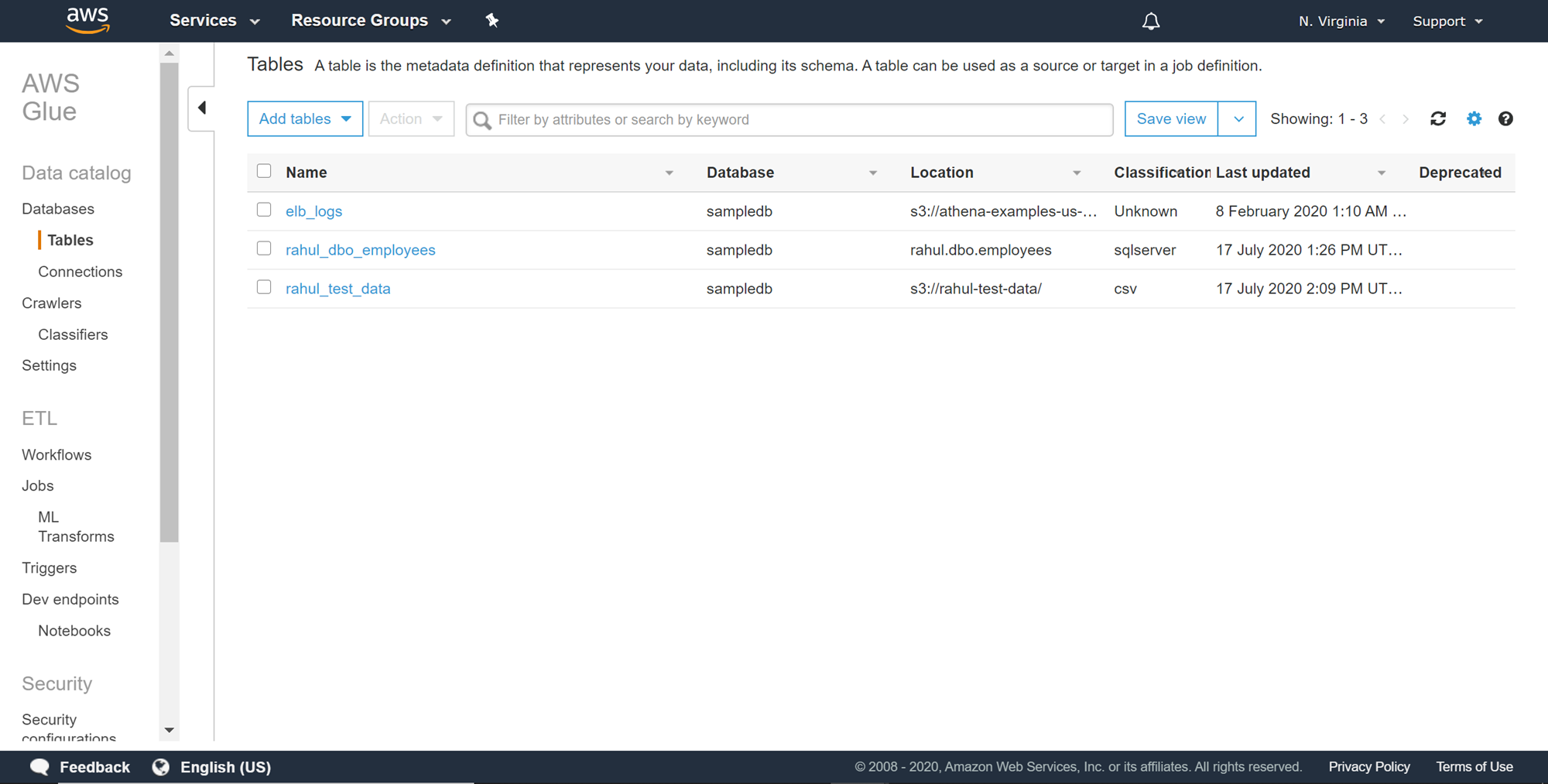
Load data from AWS S3 to AWS RDS SQL Server databases using AWS Glue

Build operational metrics for your enterprise AWS Glue Data Catalog at
You Can Visually Create, Run, And Monitor Extract, Transform, And Load (Etl) Pipelines To Load Data Into Your Data Lakes.
This Article Explores How Aws Glue Manages And Stores Metadata In The Data Catalog, Providing Seamless Access To Data Residing In Amazon S3.
You Can Create A Single View Object With A Different Sql Version For Each Engine You Want To Query, Such As Amazon Athena, Amazon Redshift, And Spark Sql On Amazon Emr.
It Is A Managed Service That You Can Use To Store, Annotate, And Share Metadata In The Aws Cloud.
Related Post: