
Data Catalog Concepts
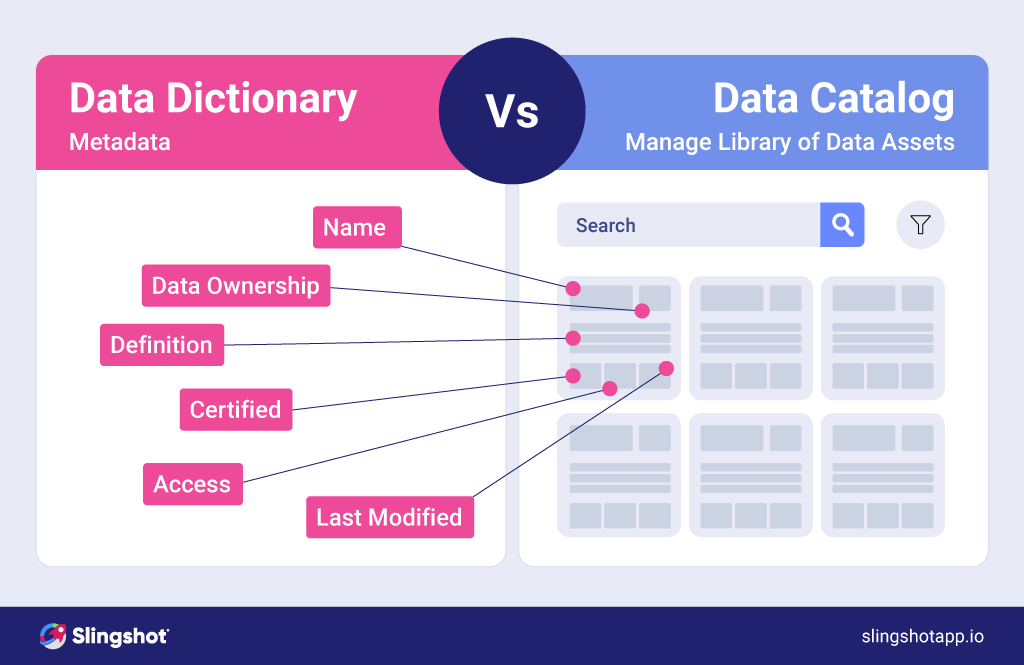
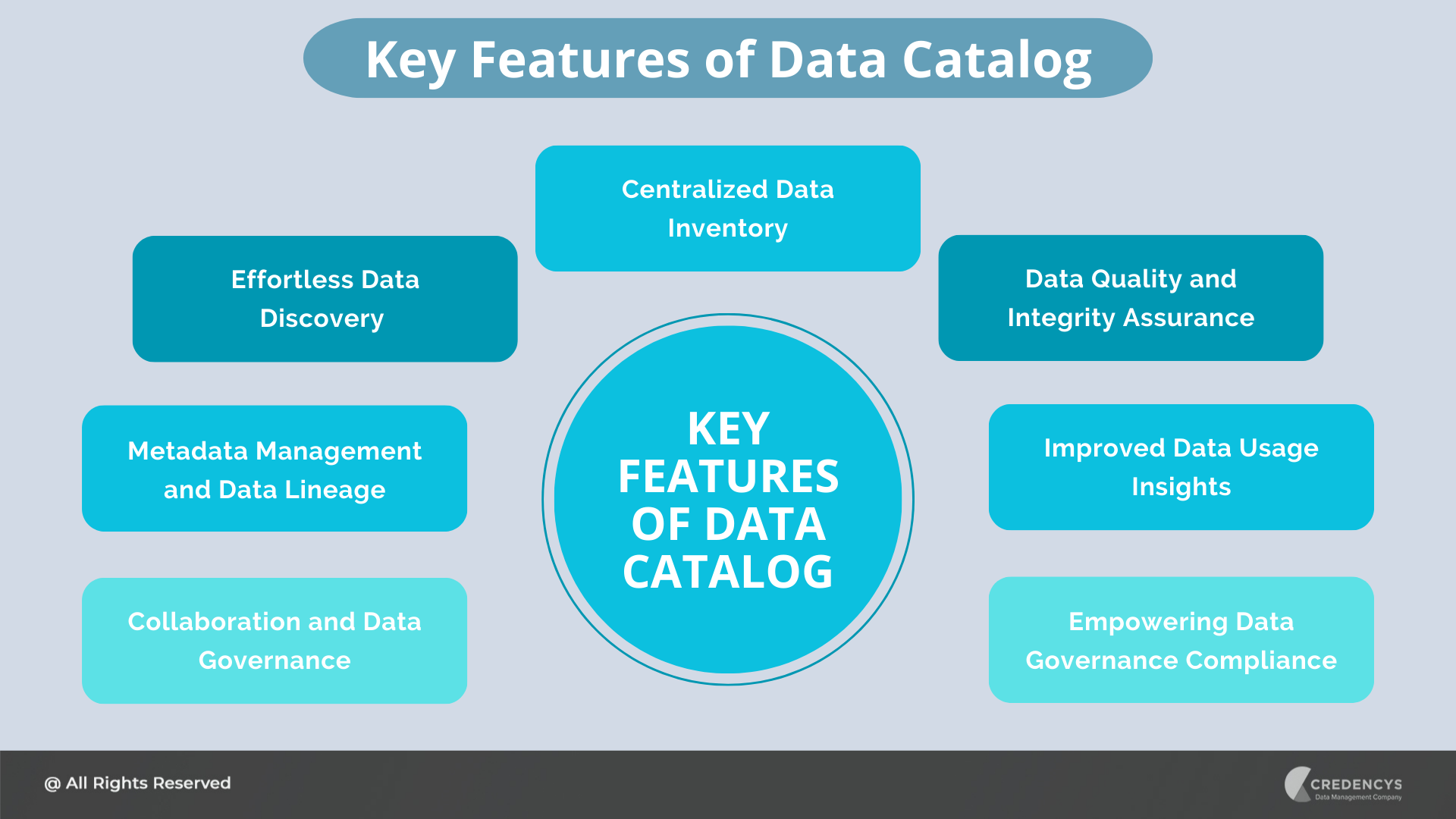
Data Catalog Concepts - A data catalog is defined as a specialized tool/application that helps organizations identify, understand, assess, and organize their data assets. Immediate business impactdata intelligence leaderdata governancedeliver more value Data cataloging is a process that helps organizations manage and organize their data assets by creating a detailed inventory that includes metadata, data lineage, and data. A data catalog is an organized collection of metadata that describes the content and structure of data sources. Data catalog helps data providers create a data dictionary comprising of technical and business metadata. A data catalog is a detailed inventory of all data assets in an organization, designed to help data professionals quickly find the most appropriate data for any analytical or. In this article, we’ll explore the meaning of data catalogs and core concepts behind them, why they matter for modern data management, key features to look for, and the benefits. What is a data catalog? Connect any data sourcechange data captureturn data into decisionsdata & analytics It exposes a standard iceberg rest catalog interface, so you can connect the. Data cataloging is a process that helps organizations manage and organize their data assets by creating a detailed inventory that includes metadata, data lineage, and data. In this article, we’ll explore the meaning of data catalogs and core concepts behind them, why they matter for modern data management, key features to look for, and the benefits. Data catalog helps data providers create a data dictionary comprising of technical and business metadata. Comprehensive and centralized solution for data governance, and observability. Immediate business impactdata intelligence leaderdata governancedeliver more value It exposes a standard iceberg rest catalog interface, so you can connect the. The purpose of a data catalog is to provide a comprehensive. Automotive · gift cards · customer service · computers · smart home A data catalog is defined as a specialized tool/application that helps organizations identify, understand, assess, and organize their data assets. Internally, an iceberg table is a collection of data files (typically stored in columnar formats like parquet or orc) and metadata files (typically stored in json or avro) that. With the help of the data catalog, you’re able to quickly and efficiently discover the data you need to complete your analysis. In this article, we’ll explore the meaning of data catalogs and core concepts behind them, why they matter for modern data management, key features to look for, and the benefits. The purpose of a data catalog is to. Immediate business impactdata intelligence leaderdata governancedeliver more value Connect any data sourcechange data captureturn data into decisionsdata & analytics Simply put, a data catalog is an organized inventory of data assets in the organization. A practical guide to opensearch for data and platform engineers—covering core concepts, usage patterns, and best practices for scalable search and analytics. Comprehensive and centralized solution. A data catalog helps to track the journey of data. Internally, an iceberg table is a collection of data files (typically stored in columnar formats like parquet or orc) and metadata files (typically stored in json or avro) that. A practical guide to opensearch for data and platform engineers—covering core concepts, usage patterns, and best practices for scalable search and. The purpose of a data catalog is to provide a comprehensive. It is a critical component of any data governance strategy,. A data catalog is an organized collection of metadata that describes the content and structure of data sources. Comprehensive and centralized solution for data governance, and observability. As centralized repositories, data catalogs aim to be relevant to users across. Comprehensive and centralized solution for data governance, and observability. A data catalog helps to track the journey of data. Data consumers can easily assess the suitability of data for analytics. Connect any data sourcechange data captureturn data into decisionsdata & analytics Data catalog helps data providers create a data dictionary comprising of technical and business metadata. Immediate business impactdata intelligence leaderdata governancedeliver more value A data catalog is defined as a specialized tool/application that helps organizations identify, understand, assess, and organize their data assets. A data catalog is a detailed inventory of all data assets in an organization, designed to help data professionals quickly find the most appropriate data for any analytical or. Automotive · gift. Data catalog helps data providers create a data dictionary comprising of technical and business metadata. In this article, we will explore data cataloging, its features, benefits, implementation, and role of data cataloging. Internally, an iceberg table is a collection of data files (typically stored in columnar formats like parquet or orc) and metadata files (typically stored in json or avro). With the help of the data catalog, you’re able to quickly and efficiently discover the data you need to complete your analysis. A data catalog is an organized collection of metadata that describes the content and structure of data sources. As centralized repositories, data catalogs aim to be relevant to users across an organization, systematically organizing and presenting selected datasets. With the help of the data catalog, you’re able to quickly and efficiently discover the data you need to complete your analysis. Data cataloging is creating and maintaining a centralized inventory of an organization’s data assets. The purpose of a data catalog is to provide a comprehensive. A data catalog is a detailed inventory of all data assets in an. It exposes a standard iceberg rest catalog interface, so you can connect the. With the help of the data catalog, you’re able to quickly and efficiently discover the data you need to complete your analysis. Comprehensive and centralized solution for data governance, and observability. Data cataloging is a process that helps organizations manage and organize their data assets by creating. They provide a comprehensive inventory of data and metadata, increasing data consumers’ ability to search and discover. Connect any data sourcechange data captureturn data into decisionsdata & analytics Data catalog helps data providers create a data dictionary comprising of technical and business metadata. It uses metadata to help organizations manage their data. Automotive · gift cards · customer service · computers · smart home The purpose of a data catalog is to provide a comprehensive. Internally, an iceberg table is a collection of data files (typically stored in columnar formats like parquet or orc) and metadata files (typically stored in json or avro) that. Conceptually, data catalogs are simple: A data catalog is a detailed inventory of all data assets in an organization, designed to help data professionals quickly find the most appropriate data for any analytical or. As centralized repositories, data catalogs aim to be relevant to users across an organization, systematically organizing and presenting selected datasets and their contexts. In this article, we will explore data cataloging, its features, benefits, implementation, and role of data cataloging. Easy to deploy and scaleadvanced apisbuild a better business Data cataloging is a process that helps organizations manage and organize their data assets by creating a detailed inventory that includes metadata, data lineage, and data. A practical guide to opensearch for data and platform engineers—covering core concepts, usage patterns, and best practices for scalable search and analytics. It exposes a standard iceberg rest catalog interface, so you can connect the. A data catalog helps to track the journey of data.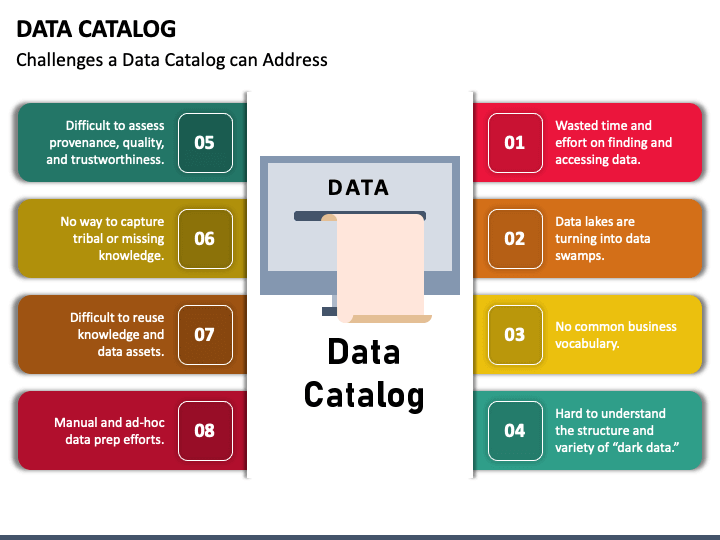
Data Catalog PowerPoint and Google Slides Template PPT Slides
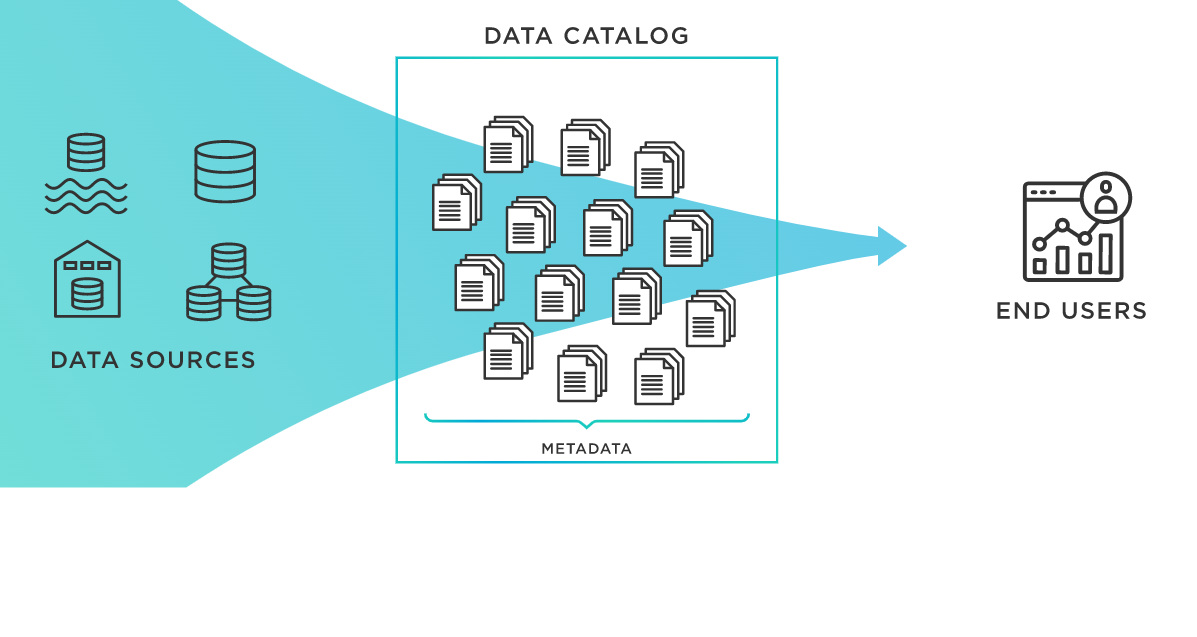
Data Catalog Concepts, Tools & Examples Analytics Yogi
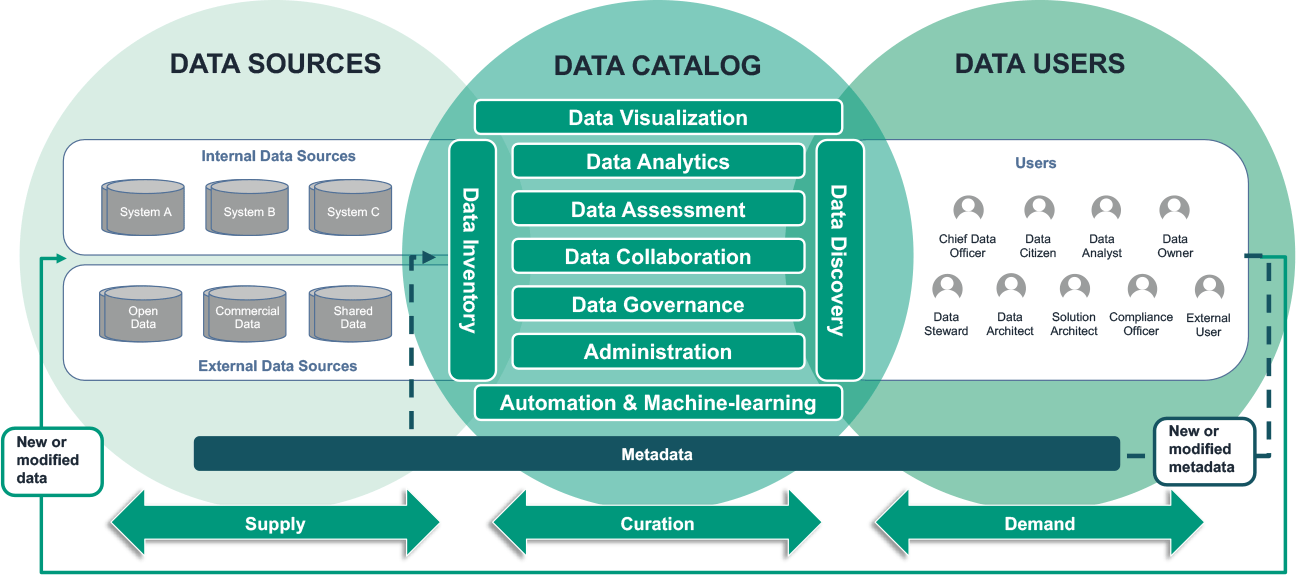
3 Reasons Why You Need a Data Catalog for Data Warehouse
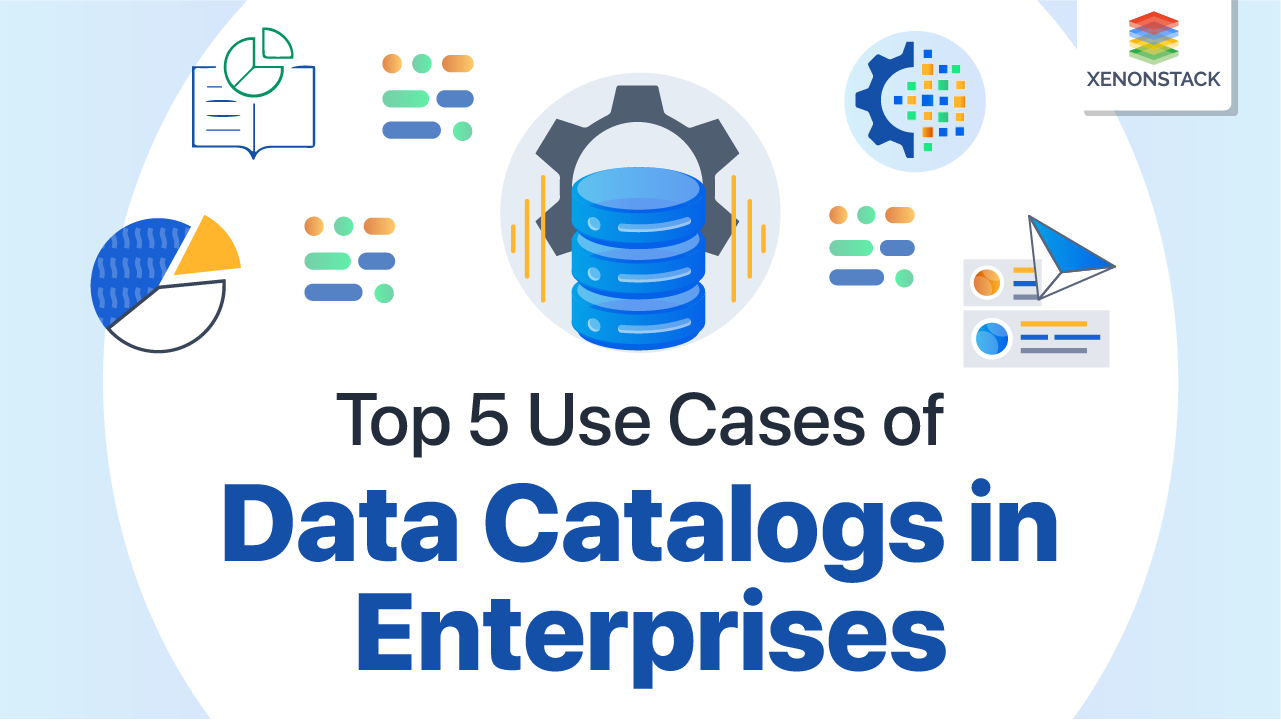
Top 5 Use Cases of Data Catalog in Enterprises
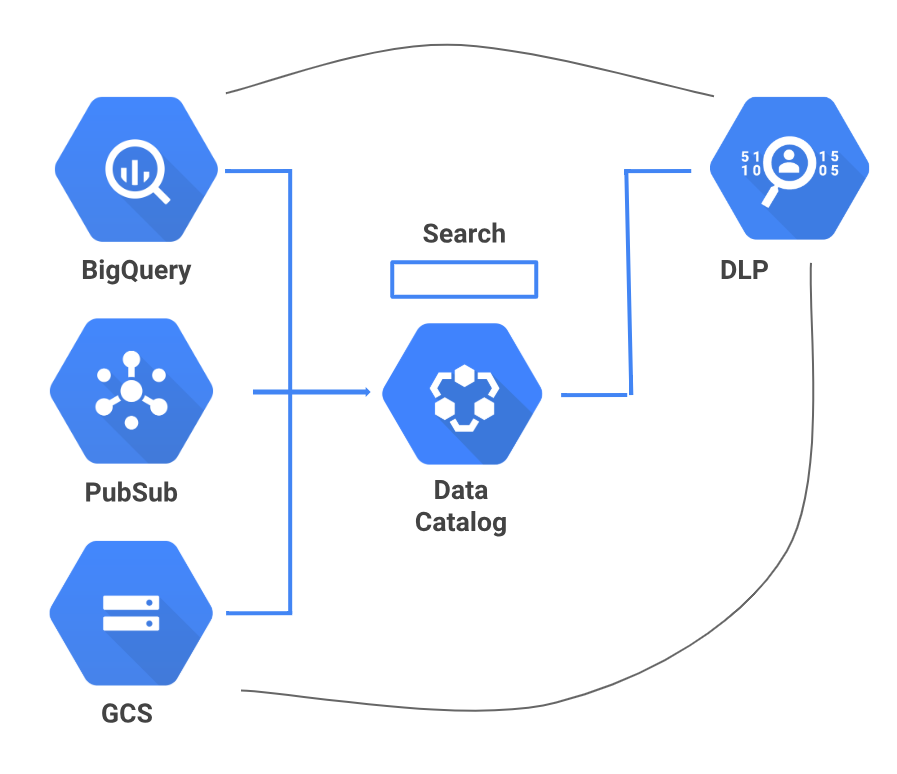
Data Catalog overview Data Catalog Documentation Google Cloud
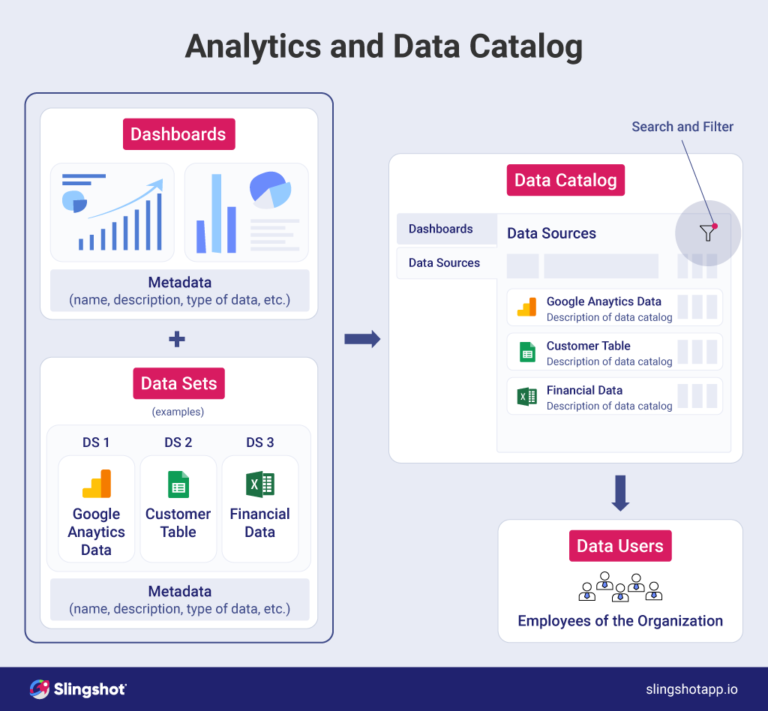
What Is A Data Catalog & Why Do You Need One?
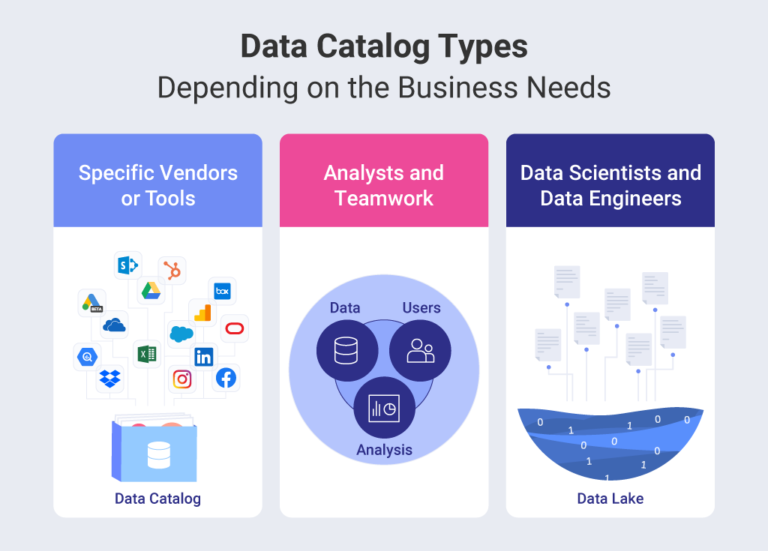
What Is A Data Catalog & Why Do You Need One?
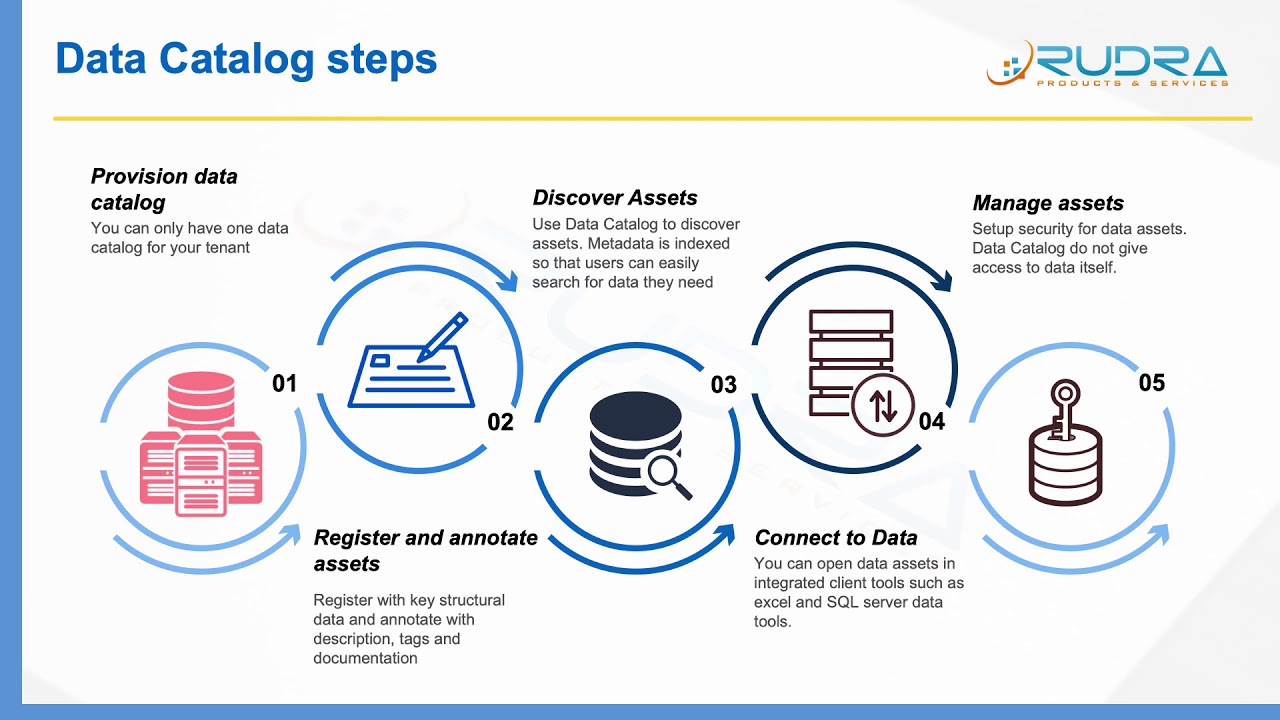
3 Reasons Why You Need a Data Catalog for Data Warehouse
What Is A Data Catalog & Why Do You Need One?
What is a Data Catalog? Definition, Benefits, Features, & More
What Is A Data Catalog?
Immediate Business Impactdata Intelligence Leaderdata Governancedeliver More Value
It Is A Critical Component Of Any Data Governance Strategy,.
Comprehensive And Centralized Solution For Data Governance, And Observability.
Related Post: